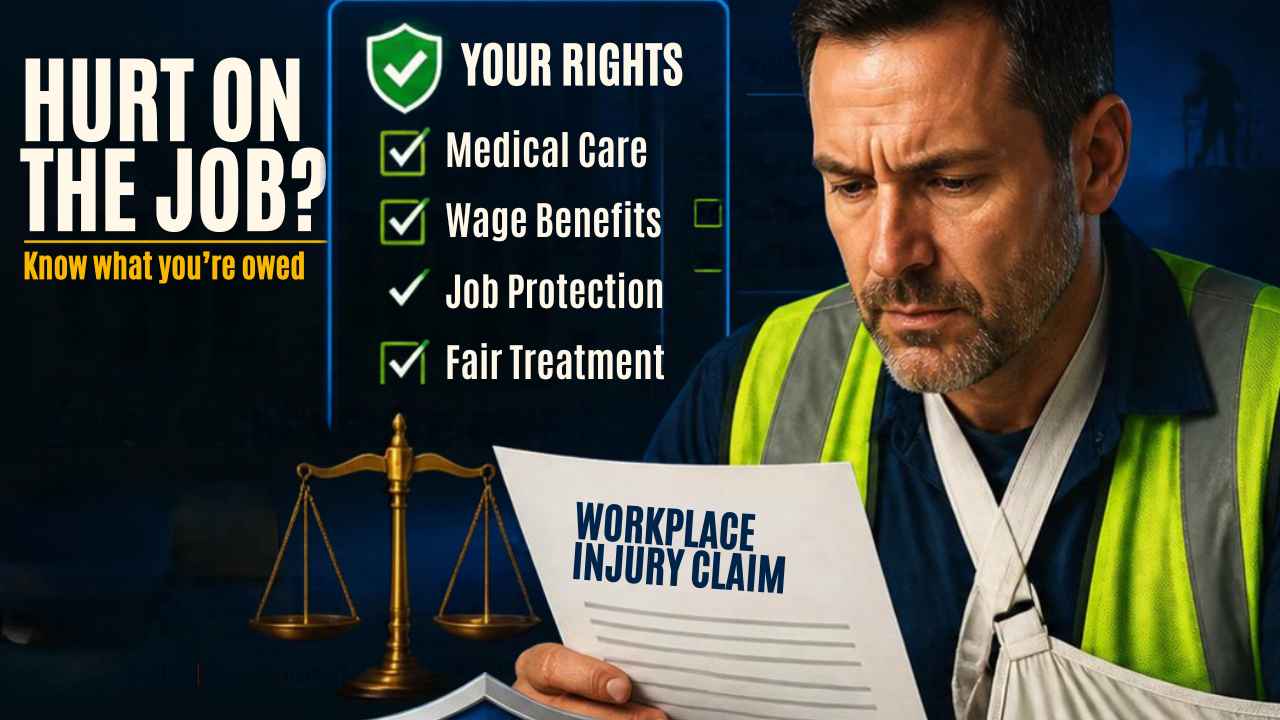
Getting injured at work changes everything for a while, and not just physically. Between medical appointments, missed paychecks, and confusing paperwork, most people have no real sense of what they are actually entitled to. They assume their employer or their employer’s insurance company will simply take care of it, and in a lot of cases that assumption ends up costing them thousands of dollars they never realized they were owed.
Workplace injury compensation is not a single lump sum handed over based on how bad the injury looks. It is made up of several distinct categories, each with its own rules, and most injured workers only ever see a fraction of what they were actually entitled to because nobody explained the full picture to them.
Here is what that full picture actually includes.
Medical Expense Coverage Goes Further Than Most People Realize
The most well known piece of workplace injury compensation is coverage for medical treatment, but many injured workers underestimate exactly how much this can include. It is not limited to a single emergency room visit or a handful of physical therapy sessions.
Ongoing medical care related to the injury, including surgeries, specialist visits, prescription medications, medical equipment, and long term rehabilitation, generally falls under this coverage as long as it is tied to the original injury. Mileage to and from medical appointments is often reimbursable as well, something many people never think to track or claim.
The mistake a lot of injured workers make is stopping treatment or switching providers without understanding how that decision affects their claim. In many cases, medical care needs to be documented and connected clearly to the original injury for it to remain covered, which means gaps in treatment or inconsistent documentation can create problems down the line, even if the injury itself has not changed.
Lost Wages Are Often Underestimated
If an injury keeps you out of work, or forces you into a lower paying role while you recover, you are typically entitled to compensation for a portion of that lost income. The confusion here usually comes from exactly how that amount is calculated.
Lost wage benefits are often based on an average of your earnings over a set period before the injury, not simply your most recent paycheck. This means overtime, bonuses, and other regular income sources may factor into the calculation, but only if they are properly documented and included in the claim. Workers who assume their benefit is based purely on base salary often end up receiving less than they were actually owed, simply because nobody accounted for the full picture of their earnings.
It is also worth understanding that these benefits usually do not replace one hundred percent of lost income. They typically cover a percentage, often somewhere in the range of two thirds, which catches a lot of people off guard when the first payment arrives lower than expected.
Permanent Impairment Compensation Is Frequently Missed Entirely
This is where a significant amount of money is left unclaimed. If an injury results in any lasting limitation, even a partial one, there is often a separate category of compensation specifically for permanent impairment, distinct from lost wages or medical costs.
This type of compensation exists because an injury can heal enough for someone to return to work while still leaving behind a permanent reduction in physical capability, whether that is limited range of motion, chronic pain, or reduced strength in a specific area. Many injured workers are cleared to return to their job and simply assume the claim is closed at that point, without realizing that a lasting impairment may still qualify for additional compensation entirely separate from the wages they already recovered.
This determination usually requires a formal medical evaluation specifically assessing the degree of permanent impairment, and it is not something that happens automatically. If your treating physician has not raised this possibility, it is worth asking directly whether your injury could qualify for a permanent impairment rating once you have reached what is typically called maximum medical improvement, the point where your condition is not expected to improve further with additional treatment.
Vocational Retraining Benefits Exist for a Reason
If an injury is severe enough that you cannot return to your previous job or role, some form of vocational retraining or rehabilitation benefit is often available to help you transition into different work. This can include funding for education, job placement assistance, or skills training specifically aimed at getting you back into the workforce in a capacity your injury still allows.
This benefit is frequently underused simply because injured workers are not made aware it exists, or they assume it only applies in extreme cases. If your injury has genuinely limited what kind of work you can physically do going forward, it is worth specifically asking whether vocational benefits apply to your situation, rather than waiting for someone to offer the information.
Pain and Suffering Is Treated Differently Depending on the Circumstances
Compensation for pain and suffering works differently depending on whether your claim falls under a standard workplace injury process or whether a third party, someone other than your employer, contributed to the injury. In many standard workplace injury situations, direct pain and suffering compensation is limited or excluded entirely, since the trade off for guaranteed medical and wage coverage is often a more restricted path for additional damages.
However, if your injury involved a third party, a defective piece of equipment, a subcontractor, a driver on the road, or another party unrelated to your direct employer, you may have a separate claim entirely against that party, which can include compensation for pain and suffering that a standard claim would not cover. This is a distinction many injured workers never explore, simply because they assume all injury related compensation falls under the same process.
Why So Many People Settle for Less Than They Are Owed
A significant part of this problem comes down to timing and pressure. Insurance adjusters and claims processes are often designed to move quickly, and early settlement offers are frequently presented before the full extent of an injury, especially anything involving permanent impairment, is even known.
Accepting an early settlement can feel like relief in the moment, especially when bills are piling up, but it can also mean signing away the right to additional compensation for complications or permanent effects that had not yet appeared. This is one of the most common and costly mistakes injured workers make, not out of carelessness, but simply because nobody explained that a settlement offered early in the process might not reflect the full long term impact of the injury.
What to Actually Do If You Are Injured on the Job
The steps that protect your claim the most are often the simplest ones, and they are also the ones most frequently skipped in the stress of the moment. Reporting the injury immediately and in writing creates a clear record from the start. Seeking medical treatment right away, and being thorough and honest with the treating provider about every symptom, even ones that seem minor at first, builds the documentation your claim will eventually depend on.
Keeping your own personal record of every appointment, every symptom, every missed day of work, and every conversation with your employer or the insurance company creates a paper trail that can matter significantly if any part of the claim is disputed later. And before signing anything, especially a settlement offer, understanding exactly what you are giving up in exchange is essential, since these documents are usually final once signed.
If your injury is serious, if you are facing any resistance from your employer or their insurer, or if a permanent impairment seems possible, getting an independent professional opinion before agreeing to anything can make a substantial difference in what you ultimately receive.
The Bottom Line
Workplace injury compensation is rarely a single number handed to you in one conversation. It is a combination of medical coverage, lost wage replacement, potential permanent impairment compensation, and in some cases vocational or third party claims, each with its own rules and its own risk of being underclaimed if nobody walks you through it.
Most injured workers do not lose out on compensation because the system is designed against them. They lose out because they accept the first explanation given to them without asking what else might apply. If you are currently dealing with a workplace injury, taking the time to understand each of these categories individually, rather than assuming one settlement covers everything, is often the difference between recovering what you are actually owed and quietly leaving money on the table.