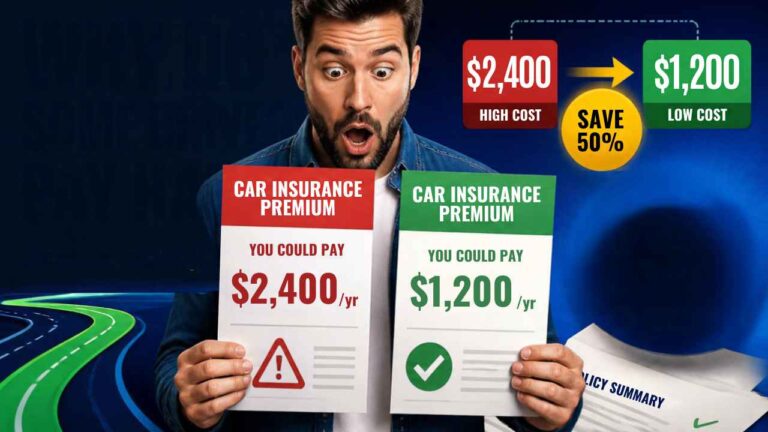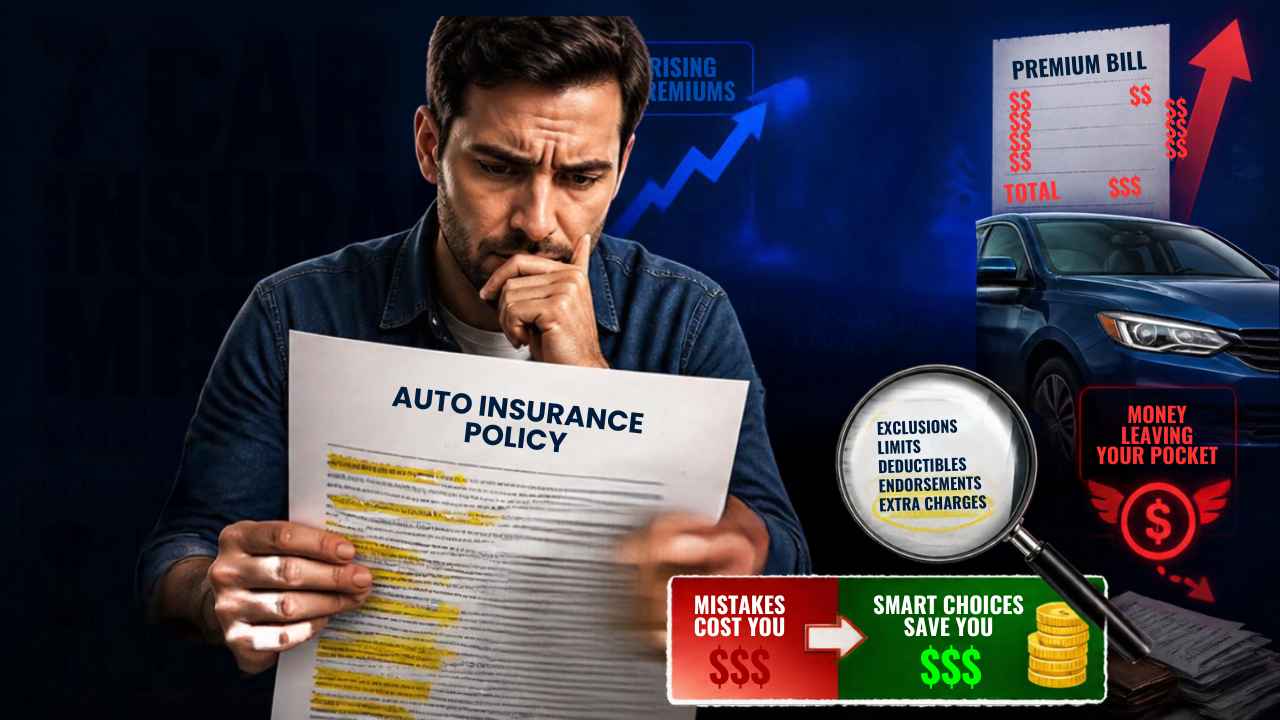
Most drivers renew their car insurance every year without ever checking whether they are still getting a fair deal. The policy renews automatically, the payment goes out, and life moves on. The problem is that this quiet, hands-off approach is exactly what insurance companies count on. Car insurance premiums are not fixed for life. They shift based on your driving history, your location, your credit profile, and dozens of other factors that most drivers never revisit after their first sign-up.
If you have not compared your car insurance quote in the last twelve months, there is a good chance you are paying more than you need to. Below are seven common mistakes that quietly drain money from your pocket every single month, along with what to do instead.
1. Never Shopping Around for a New Quote
This is the single biggest reason people overpay for car insurance. Insurers rely heavily on customer inertia. They know that once you sign up, you are unlikely to leave, even if a better deal exists somewhere else.
Car insurance premiums can vary by hundreds of dollars a year between providers for the exact same coverage. The only way to know if you are getting a competitive rate is to actually request quotes from a few different companies and compare them side by side. Many drivers are surprised to learn that switching providers, even after years of loyalty, can lower their monthly payment without reducing their coverage.
A good rule of thumb is to get a fresh quote every twelve months, right before your renewal date. Insurance companies often reserve their best rates for new customers, which means the person who just walked in the door may be paying less than you for identical coverage.
2. Sticking With the Same Insurer Out of Loyalty
Loyalty feels responsible, but in the insurance industry it rarely pays off. Some providers actually raise premiums gradually over time for long-term customers, betting that those customers will not notice or will not bother to switch. This is sometimes referred to informally as a loyalty penalty.
If you call your current insurer and mention that you are considering leaving, many will suddenly find a “loyalty discount” or a way to lower your rate. That alone tells you something important: the original price was negotiable all along. Before you assume your current provider is giving you the best deal simply because you have been with them for years, put that assumption to the test.
3. Choosing the Wrong Deductible
Your deductible is the amount you pay out of pocket before your insurance coverage kicks in after a claim. Many drivers set this number once, at the start of their policy, and never think about it again.
A lower deductible means a higher monthly premium, because the insurance company is taking on more of the financial risk. A higher deductible lowers your premium but means you will pay more if you ever need to file a claim. Neither option is automatically right or wrong, but the mistake is not choosing intentionally.
If you have a solid emergency fund and rarely file claims, raising your deductible can meaningfully lower your monthly premium. If you would struggle to cover a large unexpected expense, a lower deductible might be worth the higher monthly cost. The key is reviewing this choice periodically, especially after major life changes like paying off debt or building up savings.
4. Not Bundling Your Policies
If you have renters insurance, homeowners insurance, or any other policy separate from your auto insurance, you may be missing out on a discount that is sitting right in front of you. Most major insurers offer a meaningful price reduction when you bundle multiple policies under the same company.
This does not mean bundling is always the cheapest option in every case, but it is worth directly asking your provider, or a competitor, what your rate would look like if all your policies were combined. In many cases, the savings from bundling are larger than the savings from switching providers entirely, which makes this one of the easiest wins available if you have not already taken advantage of it.
5. Ignoring Available Discounts
Insurance companies offer a long list of discounts that many drivers simply do not know exist, because nobody proactively tells you about them. These can include discounts for low annual mileage, safe driving records, completing a defensive driving course, being a student with good grades, working in certain professions, or even paying your full premium upfront instead of monthly.
The mistake here is passive assumption. Most insurers will not automatically apply every discount you qualify for. You often have to ask directly or dig through the policy details yourself. A quick call to your provider asking, “What discounts do I currently qualify for that I am not receiving,” can sometimes uncover savings that have been available the entire time.
6. Letting Your Credit Score Slide
In many regions, your credit score directly affects your car insurance premium. Insurers use it as one indicator of risk, and a lower score can result in a noticeably higher rate, even if your driving record is spotless.
This catches a lot of people off guard because they assume insurance pricing is based purely on driving behavior. In reality, missed payments, high credit utilization, or a thin credit history can quietly push your premium upward without any accidents or tickets involved. If you have been focused on improving your credit for other reasons, such as buying a home or qualifying for a better loan, know that it can also work in your favor here. Checking how your credit score is impacting your insurance rate is worth doing at least once a year.
7. Underestimating How Much Your Coverage Actually Matters
Some drivers go in the opposite direction of overpaying. In an effort to cut costs, they reduce their coverage down to the bare legal minimum, without fully understanding what that means in a real accident.
Minimum coverage might technically satisfy the law, but it often leaves a significant gap between what your policy pays out and what an accident actually costs, especially if you are found at fault in a serious collision. That gap does not disappear. It becomes a bill that lands directly on you.
This does not mean everyone needs maximum coverage. It means coverage decisions should be made deliberately, based on your vehicle’s value, your driving habits, and how much financial risk you are personally willing to carry, rather than defaulting to the cheapest option without reading what it actually covers.
The Bottom Line
Car insurance is one of those recurring expenses that quietly compounds over time if left unchecked. A premium that is fifty dollars too high each month does not feel dramatic in the moment, but over several years it adds up to a significant amount of money that could have gone toward savings, debt repayment, or literally anything else.
The good news is that fixing most of these mistakes does not require switching your entire life around. It requires about thirty minutes of comparing quotes, asking your current provider a few direct questions, and reviewing choices like your deductible and coverage level with fresh eyes instead of old assumptions.
If it has been more than a year since you last compared your rate, that thirty minutes could be the most valuable time you spend this month.